7 Signs You Need to Visit a Dentist Sooner Rather Than Later
Many people only visit the dentist when they experience severe pain or discomfort. However, most dental problems develop gradually and can be treated more easily when detected early. Knowing the warning signs can help you protect your oral health and avoid costly treatments in the future.

Introduction
Many people only visit the dentist when they experience severe pain or discomfort. However, most dental problems develop gradually and can be treated more easily when detected early. Knowing the warning signs can help you protect your oral health and avoid costly treatments in the future.
1. Persistent Tooth Pain
Tooth pain is one of the most common indicators of an underlying dental issue. It may be caused by tooth decay, infection, a cracked tooth, or gum disease. If the pain lasts more than a day or two, it is important to schedule a dental appointment.
2. Bleeding Gums
Healthy gums should not bleed during brushing or flossing. Frequent bleeding may be a sign of gingivitis, the early stage of gum disease. Without treatment, gum disease can progress and lead to tooth loss.
3. Bad Breath That Won't Go Away
Occasional bad breath is normal, but persistent bad breath may indicate bacteria buildup, gum disease, tooth decay, or other oral health issues. A professional dental examination can help identify the cause.
4. Sensitive Teeth
If hot, cold, sweet, or acidic foods cause discomfort, you may have tooth sensitivity. This can result from enamel erosion, cavities, gum recession, or damaged teeth.
5. Loose or Shifting Teeth
Adult teeth should never feel loose. Movement in your teeth could indicate advanced gum disease or bone loss and should be evaluated immediately.
6. Jaw Pain or Clicking
Jaw discomfort, clicking sounds, or difficulty opening and closing your mouth may be linked to temporomandibular joint (TMJ) disorders. Early diagnosis can help prevent further complications.
7. Dry Mouth
A lack of saliva can increase the risk of cavities and gum disease. Dry mouth may be caused by medications, medical conditions, or dehydration.
Why Regular Dental Checkups Matter
Routine dental visits allow dentists to detect issues before they become serious. Professional cleanings also help remove plaque and tartar that cannot be eliminated through brushing alone.
Conclusion
Your mouth often provides early warning signs of health problems. If you notice any of these symptoms, don't wait until the problem becomes worse. Regular dental care is essential for maintaining a healthy smile and preventing long-term complications.
Related articles

The Importance of Professional Teeth Cleaning for Long-Term Oral Health
Brushing and flossing are essential parts of a healthy oral hygiene routine, but they are not always enough to keep your teeth and gums in optimal condition. Professional teeth cleaning plays a crucial role in preventing dental problems and maintaining a healthy smile.
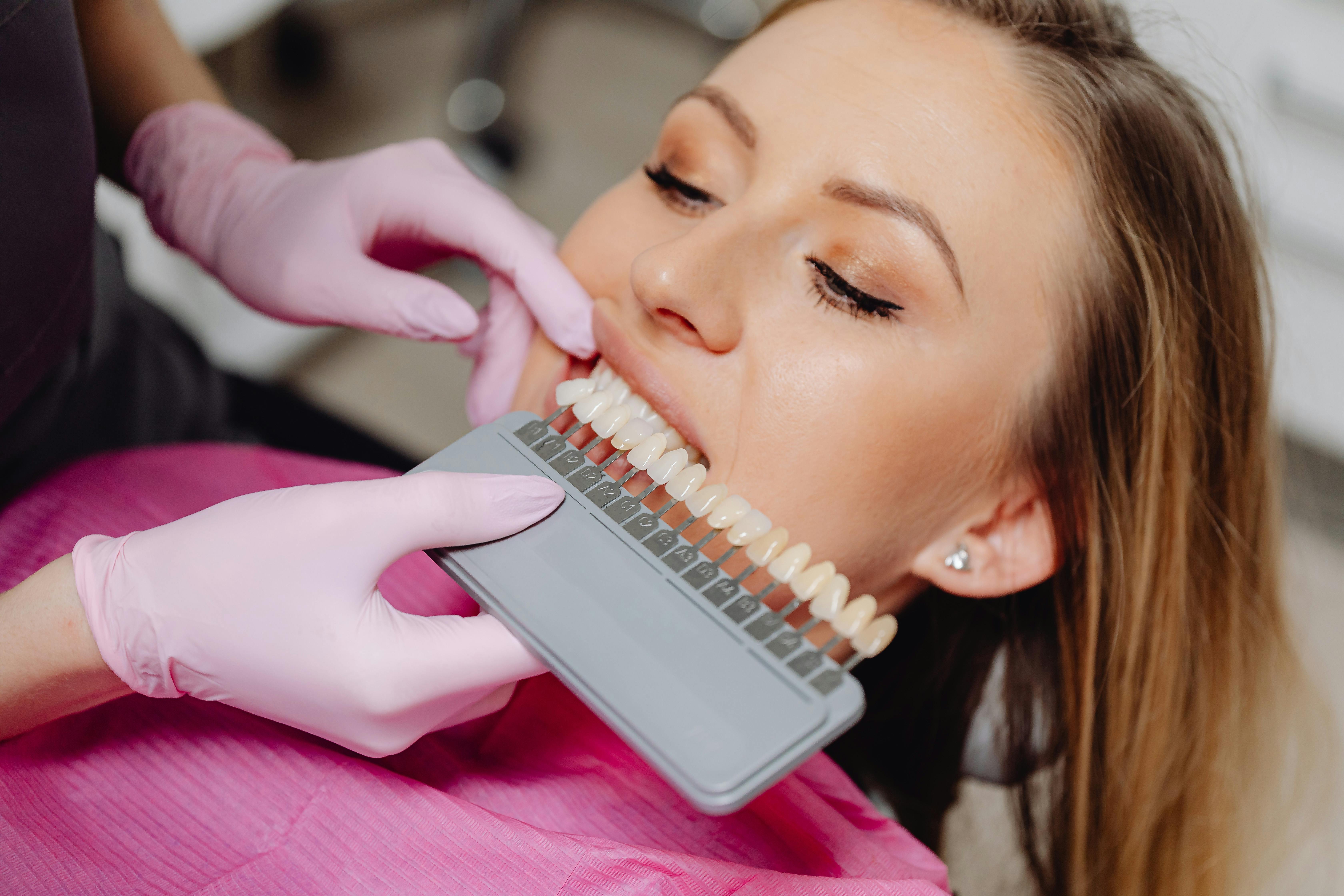
Top Cosmetic Dental Procedures in Canada
It is undeniable that your self-confidence gets a boost when you have a great smile. Modern advances in cosmetic dentistry have enabled just about anyone to get the perfect smile. Here are the top performed cosmetic procedures done throughout Canada.